
一、會痛的地方,不一定是問題開始的地方1. Where it hurts isn't always where it began
想像一頂帳篷。四邊的繩子把布撐開,如果其中一條繩子被拉得太緊,帳篷會在另一邊皺起來。您看到皺褶的地方,其實不是問題發生的地方——真正被拉扯的,是對面那條繩子。Picture a tent. Ropes on all four sides hold the fabric taut. Pull one rope too tight and the canvas creases on the opposite side. The crease you see isn't where the problem is — the rope doing the pulling is somewhere else entirely.
身體很像這樣。腰不是一塊獨立的零件,它上面接著背和肩,下面連著骨盆和雙腿。任何一端被拉住,腰都可能被迫用一個不自然的角度去撐住上半身,撐久了就會痠、脹、僵。Bodies work much the same way. The lower back isn't a standalone part — the spine and shoulders sit above it, the pelvis and legs below. When either end gets pulled out of line, the lower back is forced to hold your upper body at an unnatural angle. Hold that long enough and it aches, swells, stiffens.
痠痛常常出現在「代償的那一端」,而不是「被拉住的那一端」。Soreness tends to show up where the body is compensating — not where it's being pulled.
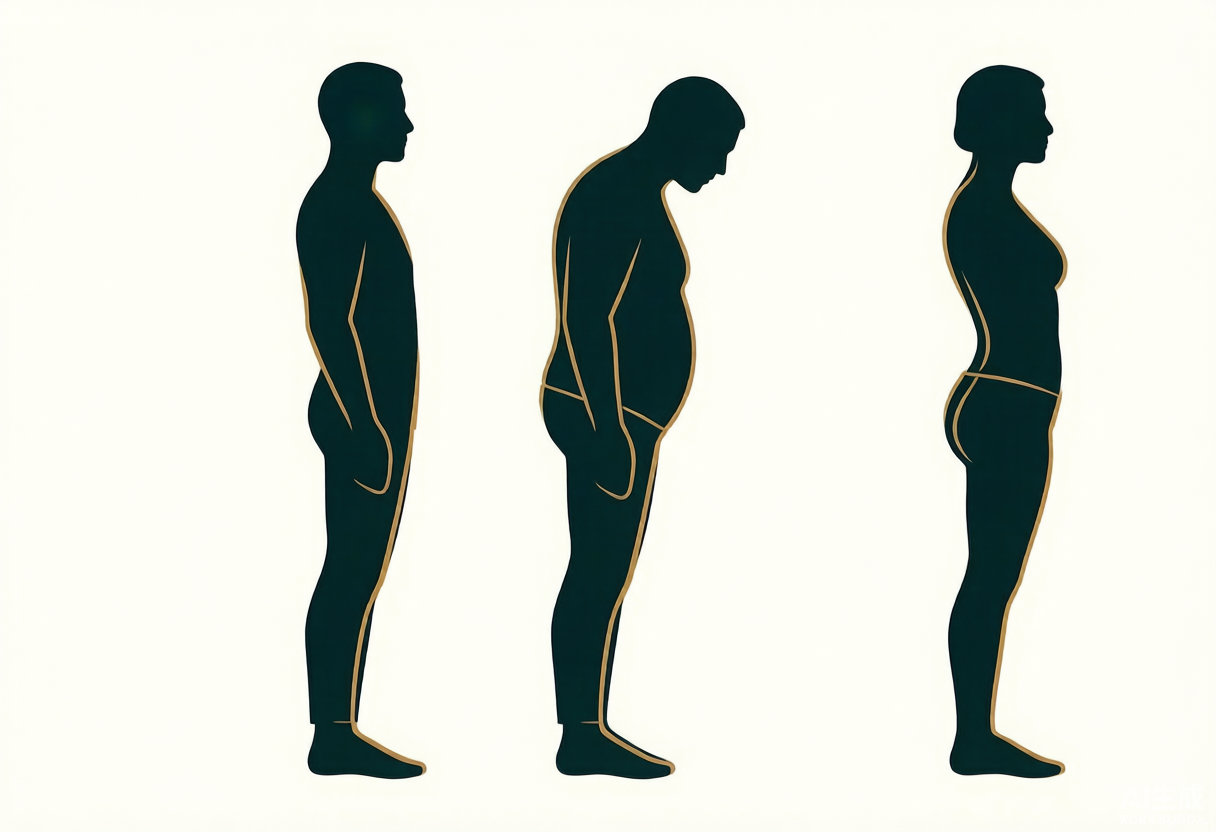
二、同樣是腰痠,來源可能完全不同2. The same ache, three very different origins
三十年下來,我看過太多人指著同一個位置說痛,但仔細看下去,來源天差地遠。最常見的有這幾種:Over thirty years I've had countless people point to exactly the same spot — and found the source to be entirely different each time. The most common patterns:
骨盆的傾斜與左右不平A tilted or uneven pelvis
習慣單腳站、老是翹同一邊的腳、皮夾固定放同一側口袋、抱小孩總用同一隻手——這些都會讓骨盆長期停在一個歪斜的角度。腰椎接在骨盆上面,骨盆一斜,腰就得跟著歪一點才能把上半身撐正。撐久了,就是您感覺到的那個痠。Standing on one leg, always crossing the same knee, keeping your wallet in the same pocket, carrying a child on the same hip — habits like these park the pelvis at a tilt for years. The lumbar spine sits on top of the pelvis, so when the pelvis leans, the lower back has to lean back the other way to keep you upright. That constant correction is what you feel as the ache.
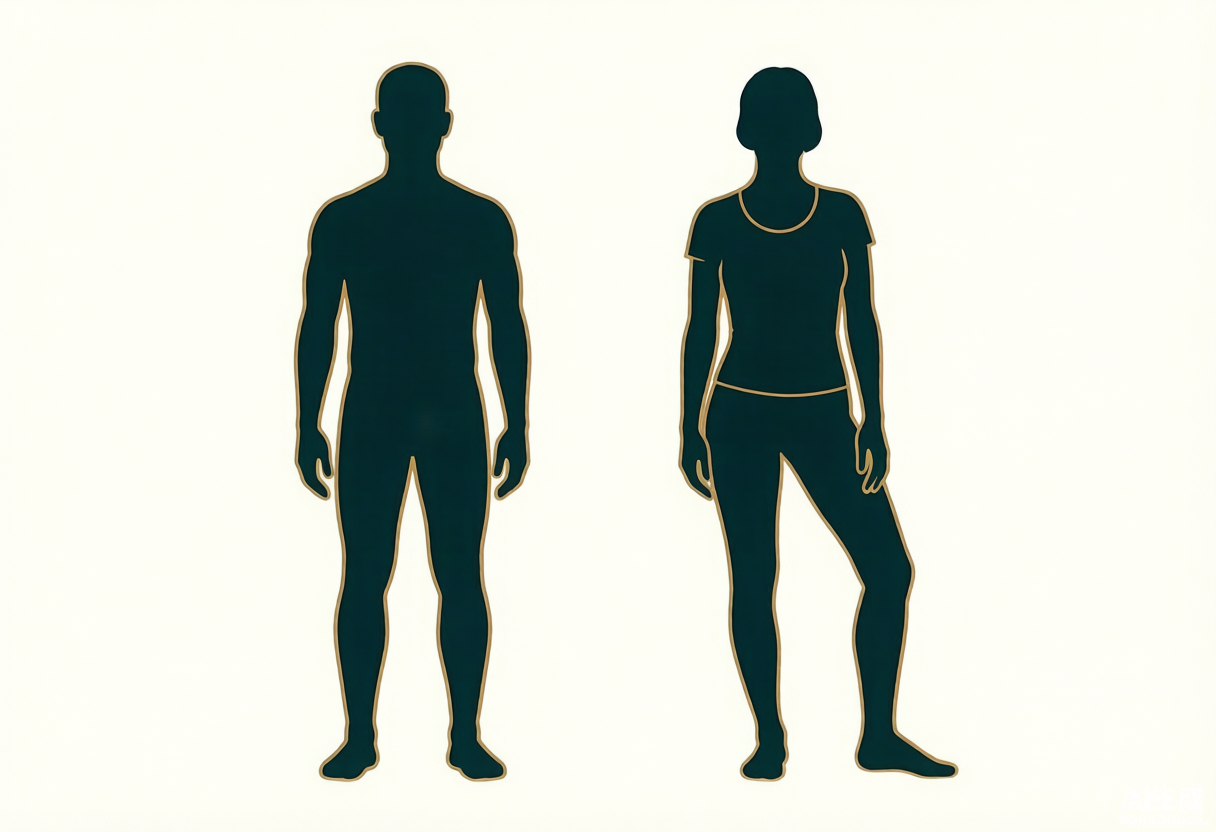
坐姿累積出來的緊繃Tension banked up from sitting
一天坐八小時,髖部前側的組織一直處在縮短的狀態,久了就不容易拉開。站起來走路時,這一段拉不開的地方會把骨盆往前帶,腰的弧度被迫加深。這種人的特徵很明顯:坐著還好,站久了反而更難受。Eight hours a day in a chair keeps the front of the hip shortened until it no longer lengthens easily. When you stand and walk, that shortened tissue tugs the pelvis forward and deepens the curve of the lower back. The tell is distinctive: sitting feels fine, standing for a while feels worse.
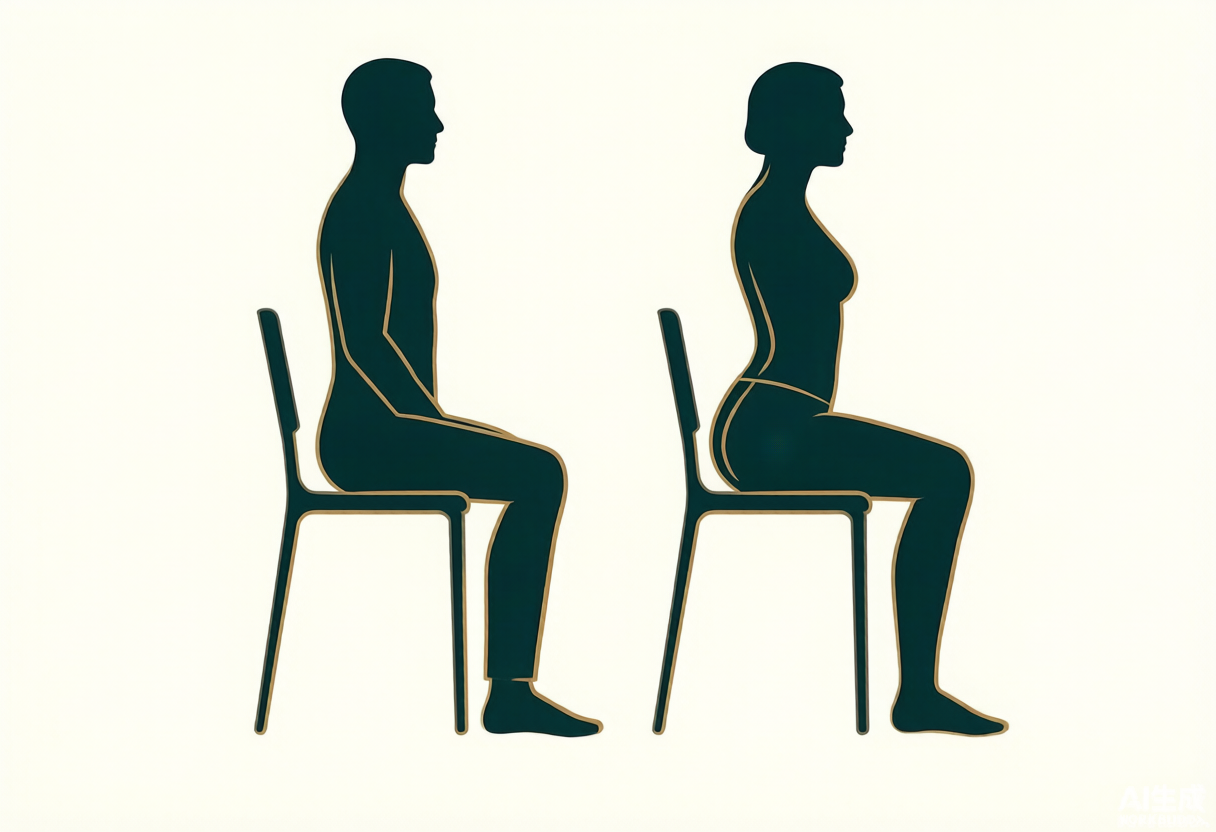
腿部緊繃一路往上拉Tight legs pulling from below
大腿後側、臀部深處、甚至小腿,這些地方緊起來的時候,會透過與骨盆的連結一路往上牽扯。有些人腰痠的同時還覺得臀部深處悶悶的、大腿後側有牽扯感——這種狀況只處理腰,通常不會太持久。Hamstrings, deep glutes, sometimes even the calves — when these tighten, they pull upward through their attachments to the pelvis. People in this group often describe a dull heaviness deep in the buttock or a drawing sensation down the back of the thigh alongside the back ache. Working only on the back rarely holds for long here.
還有不少人是三種混在一起的。這也是為什麼同樣一句「我腰痠」,我沒辦法在電話裡就告訴您該怎麼處理。And plenty of people are some combination of all three. That's why the same sentence — "my back aches" — can't be answered properly over the phone.
三、為什麼「壓痛點」當下很舒服,過幾天又回來3. Why pressing the sore spot helps today and fails by Friday
痛點的地方,肌肉通常是繃緊的。直接壓下去,那一塊確實會鬆開——當下站起來會覺得輕鬆不少,這是真的,不是錯覺。The sore spot is usually a knot of tight muscle. Press into it and yes, it does release — you'll stand up feeling noticeably lighter. That relief is real, not imagined.
但如果讓那塊肌肉繃緊的原因還在——骨盆還是斜的、髖前側還是拉不開——身體過幾天就會回到原本的代償姿勢,同一個位置又緊回來。您的感覺會是:「有效,但撐不久。」But if whatever tightened that muscle is still there — the pelvis still tilted, the hip still short — the body drifts back into the same compensation within days and the same spot locks up again. What you experience is: "it works, it just doesn't last."
還有一種更需要小心的情況:那塊繃緊的肌肉,其實正在代替別的地方承擔工作。硬把它放鬆掉,身體反而少了一個支撐點,接下來可能換另一個地方開始不舒服。這就是為什麼有些人會說「調完腰,過陣子換肩膀怪怪的」。There's a trickier case still: that tight muscle may be carrying a load on behalf of somewhere else. Force it to let go and the body loses a prop it was relying on — and something else starts complaining a week later. It's why people sometimes say, "my back got better, then my shoulder started acting up."
所以我在意的順序是So the order I work in is this
先弄清楚「誰在拉、誰在代償」,再決定手上要做什麼。順序反過來,很容易越弄越複雜。First work out what's pulling and what's compensating. Only then decide what to do with my hands. Reverse that order and things tend to get more tangled, not less.
四、來訪的前十幾分鐘,我在看什麼4. What I'm doing in the first fifteen minutes
很多人第一次來會有點意外——怎麼還沒開始就先聊這麼久,還要站起來走兩步。這段時間我大概在做這幾件事:First-timers are often surprised that we talk for so long before anything happens, and that I ask them to stand up and walk. Here's what's going on in that time:
- 聽您怎麼描述。什麼時候開始的、哪個動作會加重、早上比較嚴重還是晚上、休息之後有沒有比較好。這些答案會指向很不一樣的方向。Listening to how you describe it. When it started, which movement makes it worse, whether mornings or evenings are rougher, whether rest helps. These answers point in very different directions.
- 了解您的生活型態。工作是坐是站、要不要搬重物、睡姿、運動習慣。身體的緊繃幾乎都是日常一點一點累積來的,不了解日常,等於少掉一半線索。Understanding your daily life. Sitting or standing at work, lifting or not, how you sleep, what exercise you do. Tension is almost always accumulated a little at a time — skip the daily routine and you've lost half the picture.
- 看站姿與體態。雙肩的高度、骨盆是否水平、重心偏向哪一邊、腰的弧度深淺。Looking at how you stand. Shoulder heights, whether the pelvis sits level, which side you load, how deep the curve of your lower back runs.
- 看幾個簡單的動作。彎腰、轉身、抬腿。哪個方向卡住、卡在哪一段,往往比說出來的更準確。Watching a few simple movements. Bending, rotating, lifting a leg. Which direction catches, and at what point in the range — this is usually more accurate than words.
- 兩側比對。左右邊的活動度和緊繃程度差多少。差距本身就是很有價值的線索。Comparing left with right. How far the two sides differ in mobility and tightness. The gap itself is one of the most useful clues there is.
這十幾分鐘包含在您的預約時段裡,不另外計費。我一直覺得,這是整個過程裡最重要的一段。These minutes are part of your booked session — there's no extra charge. To my mind it's the most important stretch of the whole visit.
五、評估也是在確認「哪些不該碰」5. Assessment is also about knowing what not to touch
這一點我想特別講,因為它比前面所有的都重要。I want to give this section its own weight, because it matters more than anything above.
不是所有的不舒服都適合整復。這裡要講得精確一點——不是「有麻就不能碰」。久坐之後才麻、起來走一走就退的那種,反而正是我平常在處理的。真正要我停手的,是另一種樣子:麻或無力一天比一天嚴重、範圍越來越大;是真的抬不起來、拿東西會掉,而不只是感覺怪;夜裡痛醒而且換什麼姿勢都沒用;或是摔倒、車禍之後才開始的疼痛。遇到這幾種,我會直接請您先去看醫生,而不是先做了再說。Not every discomfort belongs in a bodywork studio — and here I want to be precise: it isn't "any numbness means hands off." Numbness that shows up after long sitting and fades once you walk it off is, in fact, exactly what I work with. What makes me stop is a different picture: numbness or weakness worsening by the day and spreading; something you genuinely cannot do — an arm that won't lift, objects dropping from your hand — rather than something that merely feels odd; pain that wakes you and eases in no position at all; or pain that began after a fall or a collision. For those, I'll send you to a physician first, rather than working on you and hoping.
我不做疾病診斷,那是醫療專業的範圍。但三十年下來,「這個狀況不該由我來處理」是我能夠、也應該分辨的事。I don't diagnose conditions — that's a physician's job, not mine. But after thirty years, recognising "this one isn't mine to handle" is something I can and should be able to do.
知道什麼不能做,和知道怎麼做,同樣重要。Knowing what not to do matters just as much as knowing how.
六、為什麼我不全憑一雙手6. Why I don't rely on hands alone
找到位置之後,接下來才是「怎麼施作」。我會依狀況搭配器械——這一點常有人問,我想在這裡講清楚。Once the source is clear, the question becomes how to work on it. Depending on the situation, I'll bring in an instrument — and since people often ask about this, let me explain properly.
先說不是什麼原因:不是為了省力,也不是器械比較高級。真正的理由只有一個——力量算得準。First, what it isn't: it isn't about saving effort, and it isn't that instruments are somehow superior. There's really only one reason — the force can be measured.
器械每一次輸出的力道都是預先設定的。人的手不是這樣:同一個人,早上第一位客人和下午第五位,手上的力氣本來就不一樣;角度稍微換一下,實際傳到身體上的力量也跟著變。這種浮動平常不太明顯,可是一旦遇到需要謹慎的人,差別就出來了。An instrument delivers a force that was set in advance. Hands don't work that way. The same practitioner has different strength in the first appointment of the morning and the fifth of the afternoon; shift the angle slightly and what actually reaches the body shifts with it. Most days that drift goes unnoticed. With someone who needs care, it shows.
我寧可從一個算得出來的小力量開始,也不要憑感覺出一次收不回來的力。I'd rather begin with a force I can measure than one I can't take back.
看不見的那一半The half you can't see
這一段我想講得直白一點。Let me be blunt about this part.
骨質密度這件事,從外表完全看不出來。體格壯的人不一定骨頭就結實,看起來瘦弱的也可能相當耐得住。年紀漸長之後,個別差異只會愈拉愈開。除非本人做過檢查、而且願意告訴我,否則我並不會知道眼前這位客人的骨頭承受得起多少。Bone density is completely invisible from the outside. A sturdy build doesn't guarantee sturdy bone, and someone who looks slight may be perfectly robust. With age, the gap between individuals only widens. Unless a person has been tested and chooses to tell me, I have no way of knowing how much the body in front of me can take.
沒有人有把握的時候,正確的做法不是「小心一點」——小心是模糊的,力氣還是憑感覺在出。正確的做法是換一種力量本身就有上限、而且收得回來的方式。這就是器械在做的事。When nobody can be sure, the answer isn't "be careful" — careful is vague, and the force is still being guessed. The answer is to switch to a method whose force has a ceiling built into it, and can be taken back. That is precisely what an instrument does.
所以這幾種情況,我一定會先問Which is why I always ask about these
- 年紀較長,或停經後的女性Older guests, or women past menopause
- 曾經被告知骨質密度偏低Anyone who has been told their bone density is low
- 長期服用類固醇或抗凝血藥物Long-term steroid or blood-thinner use
- 術後恢復期,或身上有植入物Post-surgical recovery, or any implant in the body
問這些不是要婉拒您,而是決定我用什麼方式、多少力量的依據。預約時說、到現場才想起來說,都可以——愈早知道,我愈好安排。I'm not asking in order to turn you away. These answers decide the method and the force I'll use. Tell me when booking, or when it occurs to you on the day — the earlier I know, the better I can plan.
器械特別適合的兩種情況Two situations it suits especially well
一種是需要精確控制角度的部位——作用點小、方向固定,比手掌容易對得準。另一種是長輩,或骨架比較敏感、對力道接受度低的人:器械把力量集中在很小的範圍,不必靠身體的重量壓上去,整個過程溫和得多。The first is anywhere the angle has to be precise — a small contact point in a fixed direction is easier to land accurately than a palm. The second is older guests, or anyone with a more delicate frame and less tolerance for pressure: the force stays within a narrow range, with no body weight leaning into it, and the session is far gentler for it.
但最後這句話我要說清楚:器械代替的是「出力」,不是判斷。要不要用、用在哪裡、什麼角度,全部來自前面那十幾分鐘。工具永遠是配合判斷的;判斷錯了,再穩定的力量,也只是穩定地做錯。One last thing, though, and I want it said plainly: an instrument replaces the delivery of force, never the judgement. Whether to use one, where, and at what angle all come from those first fifteen minutes. A tool serves the thinking behind it. Get the thinking wrong, and a perfectly steady force is just a steady way of being wrong.
七、您自己可以先觀察的三件事7. Three things worth noticing before you come
來之前如果願意先留意這幾點,我們會省下不少時間:If you can pay attention to these before your visit, we'll save a good deal of time:
- 什麼動作會加重?彎腰、久坐、久站、翻身,還是起床那一下。Which movement makes it worse? Bending, sitting, standing, rolling over in bed, or that first moment of getting up.
- 一天當中什麼時候最不舒服?早上僵、下午痠、晚上脹,指向的方向不太一樣。When in the day is it worst? Stiff mornings, achy afternoons and heavy evenings each suggest something different.
- 有沒有哪一邊特別明顯?左右的差異往往是最有價值的線索。Is one side clearly worse? A left-right difference is often the single most useful clue.
不用整理得很完整,想到什麼講什麼就好。這些問題沒有標準答案,但每一個回答都能幫忙縮小範圍。No need to prepare anything formal — just say what comes to mind. There are no right answers here, but every one of them narrows things down.
如果這篇讓您想到自己的狀況If this sounds like you
歡迎預約一次,我們先花點時間把來源看清楚。全預約制,一次只服務一位,不趕時間。Book a session and we'll take the time to find where it actually starts. By appointment only, one person at a time, never rushed.
預約時段Book a Session 看看服務項目See Services閱讀提醒A Note on This Article
- 本文為日常保健與身體使用習慣的一般性分享,不構成醫療診斷或治療建議。This article shares general self-care and postural observations. It is not medical diagnosis or treatment advice.
- 每個人的身體狀況不同。若不適持續加重、麻或無力的範圍逐漸擴大、出現實際的動作做不到、大小便控制異常,或疼痛發生於外傷之後,請先至合格醫療院所就醫。Every body is different. If discomfort is steadily worsening, if numbness or weakness is spreading, if there is something you genuinely cannot do, if bladder or bowel control changes, or if pain began after an injury, please see a licensed medical professional first.